Element Seven servers are active.

Start a project

Web applications

Built in Laravel and Vue.js, at a fixed price, and you own it. Customer portals, booking platforms, internal tools and SaaS products.

Scope your application
01

What a web application is, and isn't

The line between a website and software.

A website tells people about the business. A web application does a job for it.

If people log in, if records are created and updated, if something is calculated, scheduled, approved or reported on, it is an application.

An AI reporting dashboard built by Element Seven

Customer portals, booking platforms, internal tools, course delivery and SaaS products all sit on this side of the line.

01Customer portals

Accounts your customers log in to.

02Booking platforms

Availability, payments and confirmations.

03Internal tools

The admin and approvals behind the business.

04Courses and SaaS

Course delivery and subscription products.

We build them in Laravel and Vue.js, for Northern Ireland businesses that have outgrown spreadsheets and off-the-shelf tools.

02

Custom or off-the-shelf? An honest test

For a lot of businesses, off-the-shelf is the right answer.

Use the subscription

If a subscription already does the job and your process can bend to fit it, use the subscription.

It is cheaper than building, and we will tell you so.

Build it

Custom software earns its keep when:

  • a spreadsheet has become the single point of failure
  • the workarounds on an off-the-shelf product now cost more than the licence
  • you have paying users who need accounts, content and a reason to come back
  • the rules are yours alone: the pricing, the approvals or the way bookings work in your business
03

Built, live and running

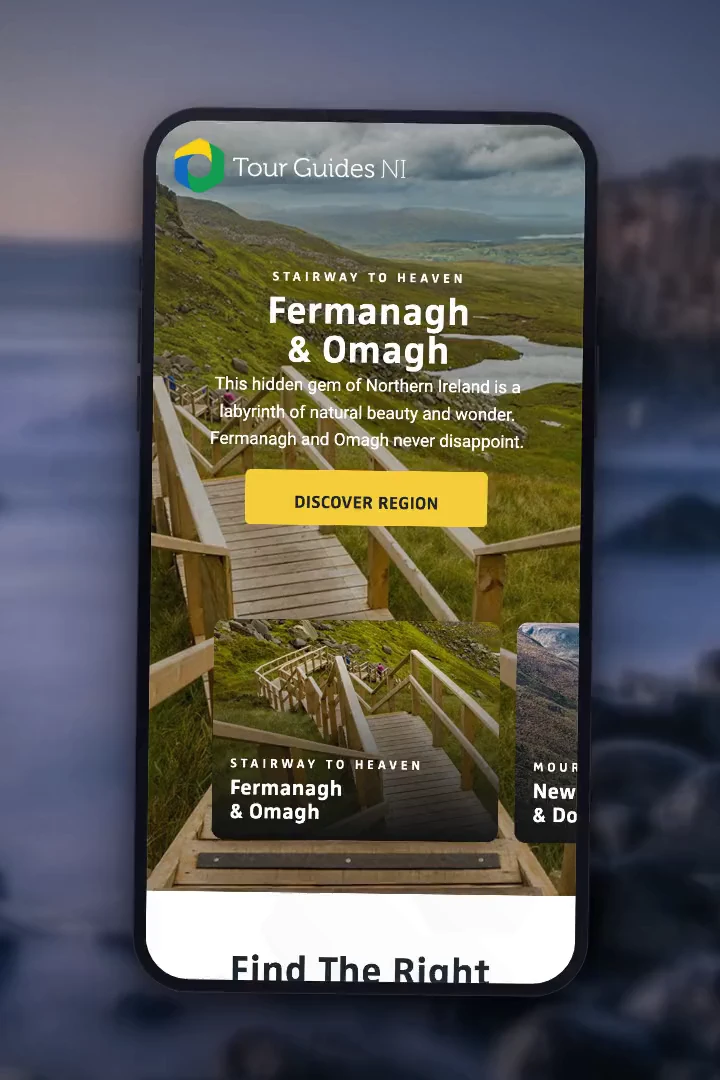
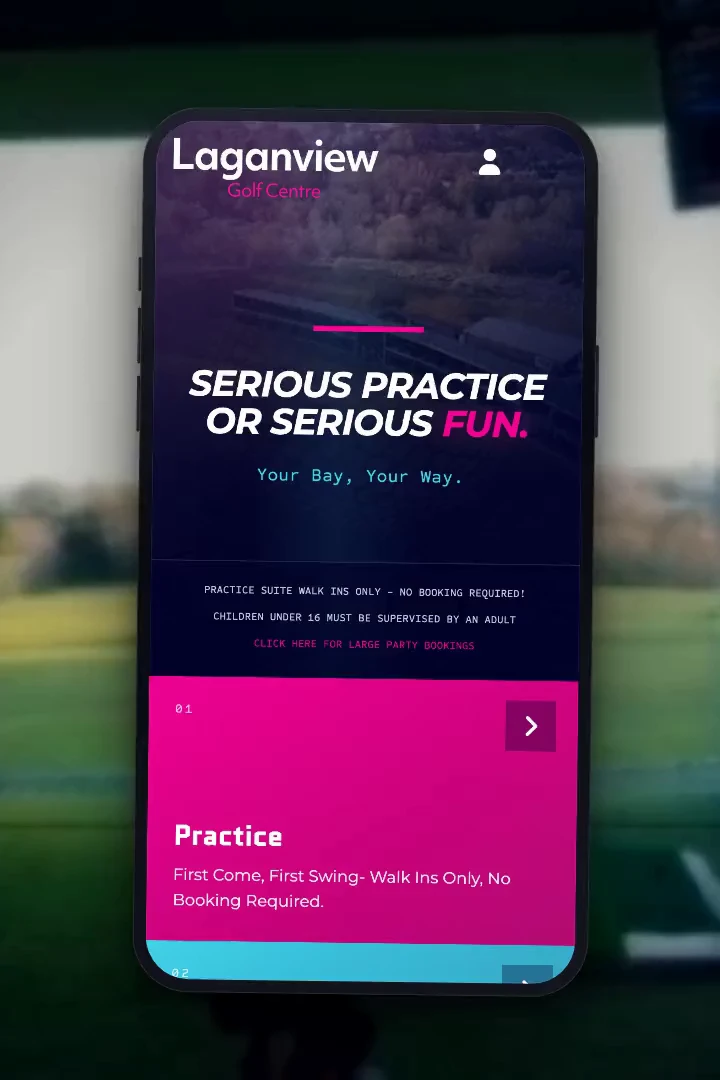
Systems we built that are running Northern Ireland businesses today, and two we run ourselves. See all of our work.

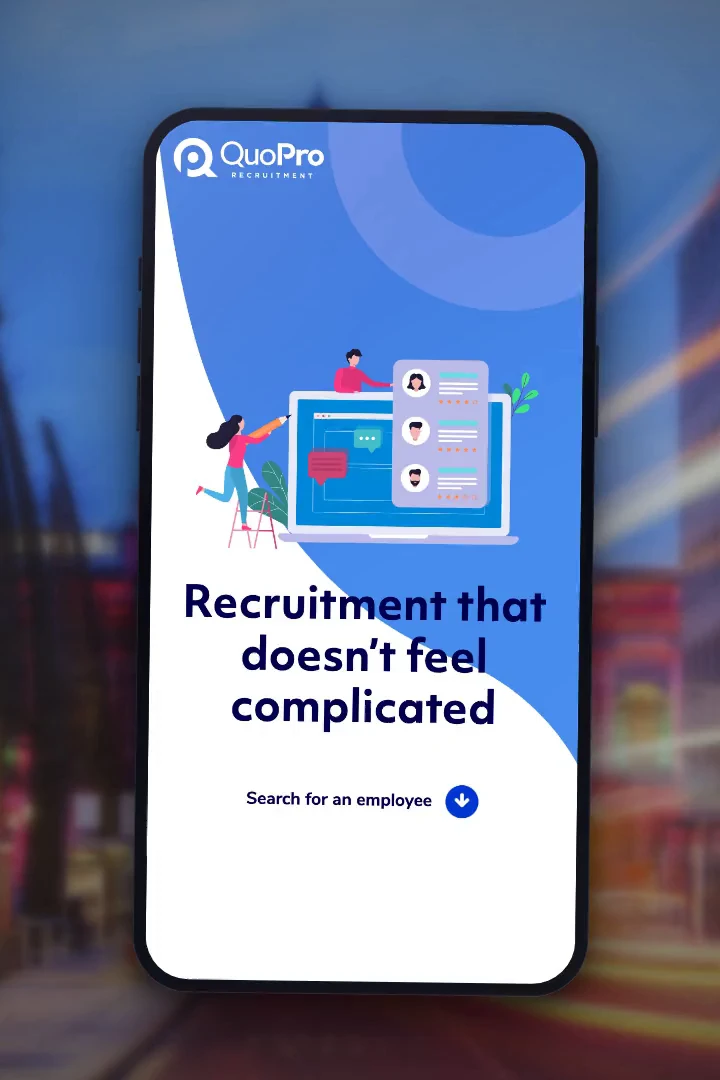
Worked quite extensively with the guys for many months on a bespoke project they done for our recruitment site. Professional and attentive from day one, always in contact for updates and opinions and genuinely no stone left unturned, and it shows through the website they created.
Gerard Marley QuoPro Recruitment
04

You own it

Said once, plainly.

You own the code, the database, the domain and the hosting.

In your nameThe code
In your nameThe database
In your nameThe domain
In your nameThe hosting

They are all in your name, and you can take them elsewhere at any point. We host and maintain most of what we build because clients ask us to, not because you are locked in.

A focused first version usually takes 8 to 16 weeks.

Larger systemsIn phases

Larger systems run longer, and we break them into phases so something useful goes live early rather than everything arriving at the end.

Scoped firstYour timeline

We scope the work before quoting, so the timeline you get is based on your requirements rather than an average.

FixedOne quote

Every project gets its own fixed quote, agreed before work starts.

06

How a project runs

The person who scopes your project is the person who builds it, and nothing is offshored.

01 Watch how you work

We start with how the work happens today, including the parts that live in someone's head or in a spreadsheet nobody else understands.

02 Write the rules down

Who can see what, what gets approved by whom, what is calculated and when. We agree these with you before anything is built.

03 A fixed price

The approach, what is in, what is out, a timeline and a price, in writing.

04 Build

In Laravel and Vue.js, on a staging site you can use as it grows, so feedback comes early rather than at the end.

05 Test against a busy day

Permissions, integrations, and the awkward cases that only show up under real use. Better found on staging than on a Monday morning.

06 Launch and look after it

We train your team, watch the first weeks closely, and stay on through a maintenance plan.

07

Integrations

Connected to what you already run, as part of the build.

Every one of these is running in a system we built.

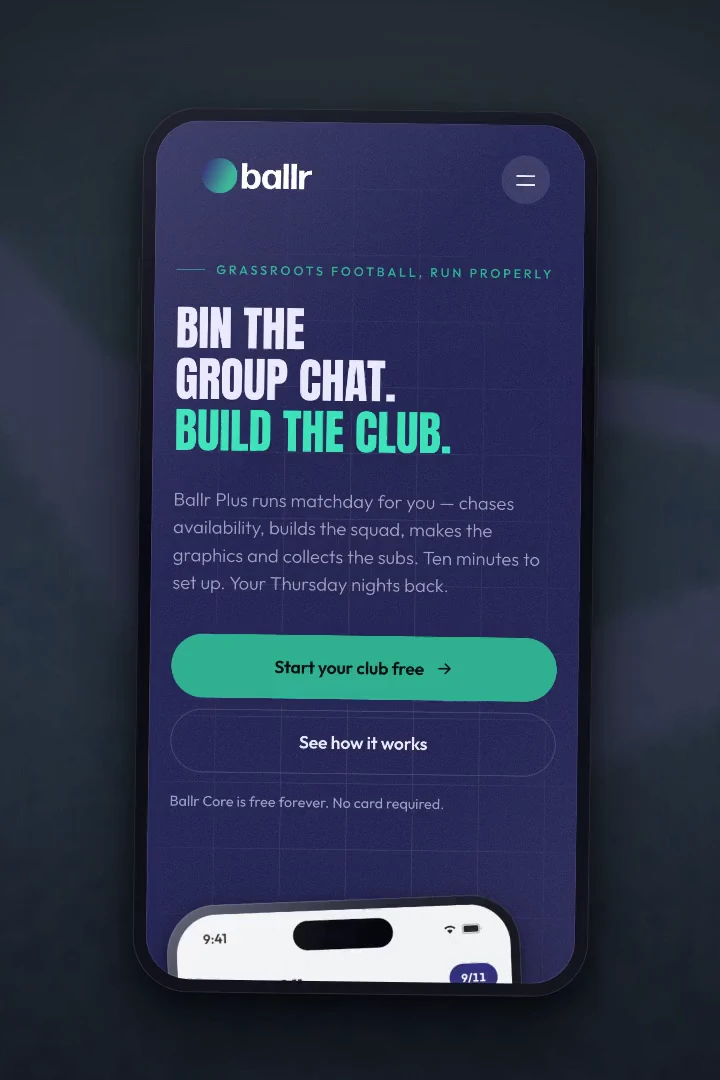
BallrStripe Connect and Twilio WhatsApp
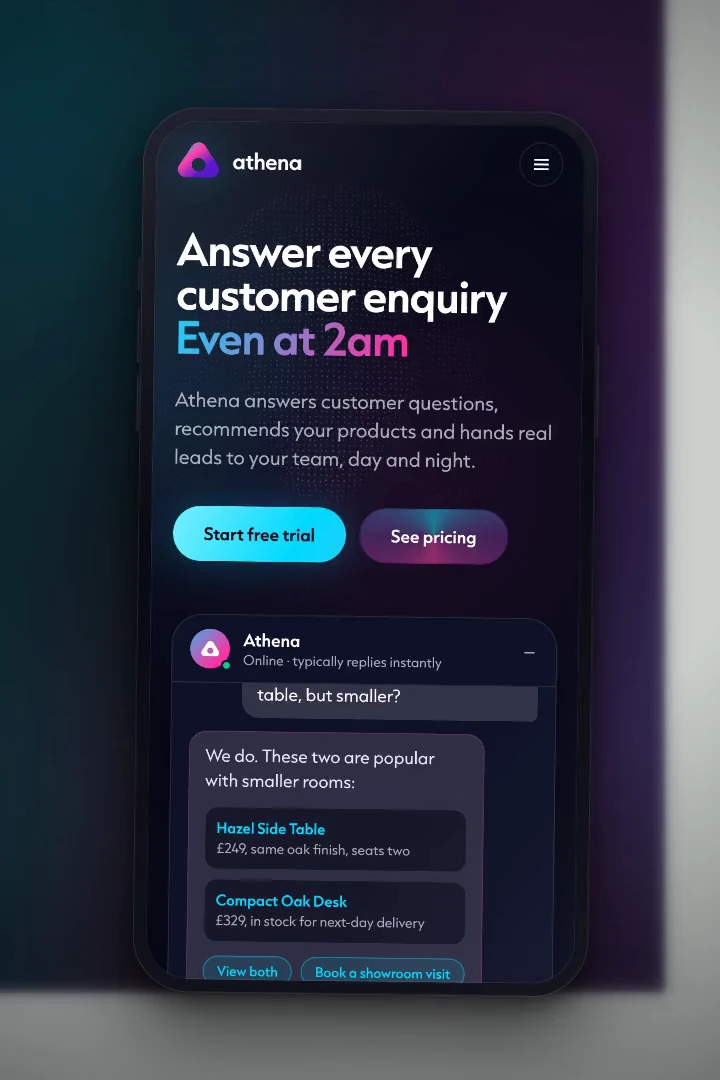
AthenaLaravel Cashier billing
LaganviewDojo card payments and Mailchimp
Belfast Hidden ToursFareHarbor bookings
Haymarket BelfastResDiary and Roller
CSM Property ManagementRevolut tenant payments

Where AI can take a repetitive job off the team, see AI and business automation. For the framework itself, see Laravel development.

What counts as a web application rather than a website?

A website tells people about the business. A web application does a job for it. If people log in, if records are created and updated, if something is calculated, scheduled, approved or reported on, it is an application. Member portals, booking platforms, course delivery, quoting tools and internal admin systems all sit on this side of the line.

What does a custom web application developer in Northern Ireland actually build?

Element Seven, based in Holywood, about 10 minutes from Belfast city centre, builds custom web applications in Laravel and Vue.js: customer portals, booking platforms, internal tools and SaaS products. Its live systems include Laganview Golf Centre's bay booking platform, with 11,100+ paid bookings since December 2023, and its own football club platform, Ballr.

How long does a custom web app take to build?

At Element Seven, a first version usually takes 8 to 16 weeks. Larger systems run longer and we break them into phases so something useful goes live early. The price is fixed in a written scope before work starts, and the person who scopes the project builds it.

Who owns the software if an agency builds it?

With Element Seven, the client owns the code, the database, the domain and the hosting. Before you sign with any developer, get ownership of all four confirmed in writing.

Can it replace the spreadsheet we currently run on?

Usually yes, and it is the most common reason clients come to us. We map what the spreadsheet actually does first, including the parts nobody documented, then build software that does the same job with proper accounts, permissions and an audit trail.

When is off-the-shelf software the better choice?

When it already does the job and your process can bend to fit it without a stack of workarounds. If a subscription covers what you need, it is usually cheaper than building, and we will tell you so.

Can it connect to the systems we already use?

Yes. Integrations are part of the build, so the application can talk to your accounting software, CRM, payment provider, email platform or anything else with an API. Where a connector already exists we use it. Where one does not, we write it.

Should my web app be a progressive web app (PWA)?

A progressive web app is a web app that people can add to their phone's home screen. It can work offline for some tasks and send notifications, without going through the App Store or Google Play. It suits tools people mostly use in a browser, like booking systems, customer portals and internal dashboards, where one codebase and instant updates matter more than being in the app stores. If you need deeper access to the phone, discovery in the app stores or the most dependable notifications on iPhone, a native app is usually the better fit. Some products need both: Ballr has a web platform and native iPhone and Android apps. We'll talk through which suits you when we scope the project.

What happens after launch?

Most of what we build we also host and maintain. A monthly plan covers updates, backups and small changes, priced separately so you can see exactly what the ongoing commitment is.

Start a project

Tell us what you need

Powered by Athena by Element Seven

Got a system
in mind?